Certifications for Lighting Housings: What Travels with the Goods
The certification conversation about lighting housings goes wrong in the same way every time: someone asks whether the housing can be CE marked, and the answer depends on a distinction that has to be made before the question can be answered.
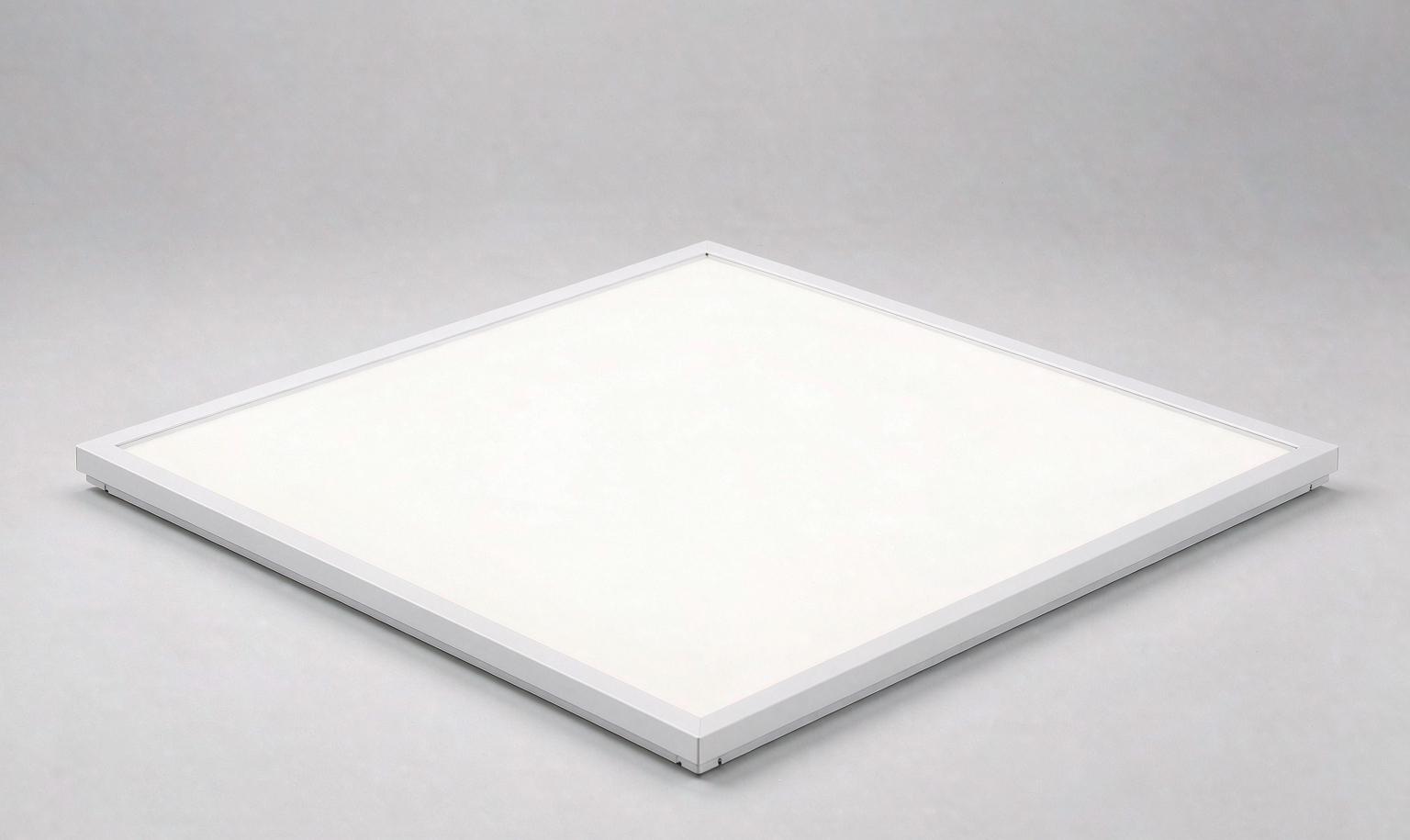
The distinction that decides the answer
A luminaire housing is supplied as a mechanical part. It has no electrical assembly inside it — no driver, no wiring, no means of connection — and an electrical certification is a statement about an electrical product. That is why a housing supplied on its own cannot carry the electrical certification of the finished luminaire. That certification belongs to the brand owner and the driver chosen, because that is who puts the electrical product on the market.
This is not a limitation we are working around. It is the correct position, and a supplier who offers to certify your luminaire for you is describing something they cannot actually do.
What does travel with a housing shipment
| Document | When |
|---|---|
| Commercial invoice and packing list | Every shipment |
| CE and RoHS documentation | Prepared with each shipment |
| RoHS declaration | On request |
| IP test report, per batch | On request |
| Dimensional inspection record | On request |
| Pre-shipment inspection record | With the shipping documents |
The pattern is deliberate: the documents that describe the shipment as a commercial and physical consignment travel as standard, and the technical evidence is available per batch. That is what a brand owner needs to support their own filing, and it is what a customs broker or a project buyer will ask for by name.
Why per-batch records matter more than a certificate
A certificate is a statement about a type or a process at a point in time. A per-batch IP test report and a dimensional inspection record are statements about the goods actually in the container. When a question arises later — and on coated parts the question that arises is usually colour consistency between batches — it is the batch record that answers it, not the certificate.
The material side
Aluminium bodies are fully recyclable at end of life, and powder coating is a solvent-free process. Those are material facts about the product and they are worth stating precisely rather than as a sustainability claim; a housing range does not come with an energy-saving percentage, and any supplier who attaches one to a passive component is inventing it.
Being precise about scope helps you rather than us
Buyers who file their own compliance documentation know exactly where the boundary is, and a supplier who states it clearly is easier to work with than one who promises more than they can deliver. The useful version of the question is not “can the housing be certified” but “what documentation will you provide so that I can certify my product” — and that one has a straightforward answer.
Frequently asked questions
Which certifications can you support for lighting housings?
CE and RoHS documentation is prepared with each shipment, and RoHS declarations, per-batch IP test reports and dimensional inspection records are available on request. The housing is supplied as a mechanical part, so the electrical certification of the finished luminaire sits with the brand owner and the driver chosen.
Can a housing be CE marked on its own?
No. An electrical certification is a statement about an electrical product, and a housing supplied without the electrical assembly is a mechanical part. The CE marking on the finished luminaire belongs to the brand owner and the driver chosen.
What is the difference between a certificate and a per-batch report?
A certificate describes a type or a process at a point in time; a per-batch IP test report and dimensional inspection record describe the goods actually in the container, which is what answers a question about colour or fit between batches.
Related reading: certification support, quality and supply chain.